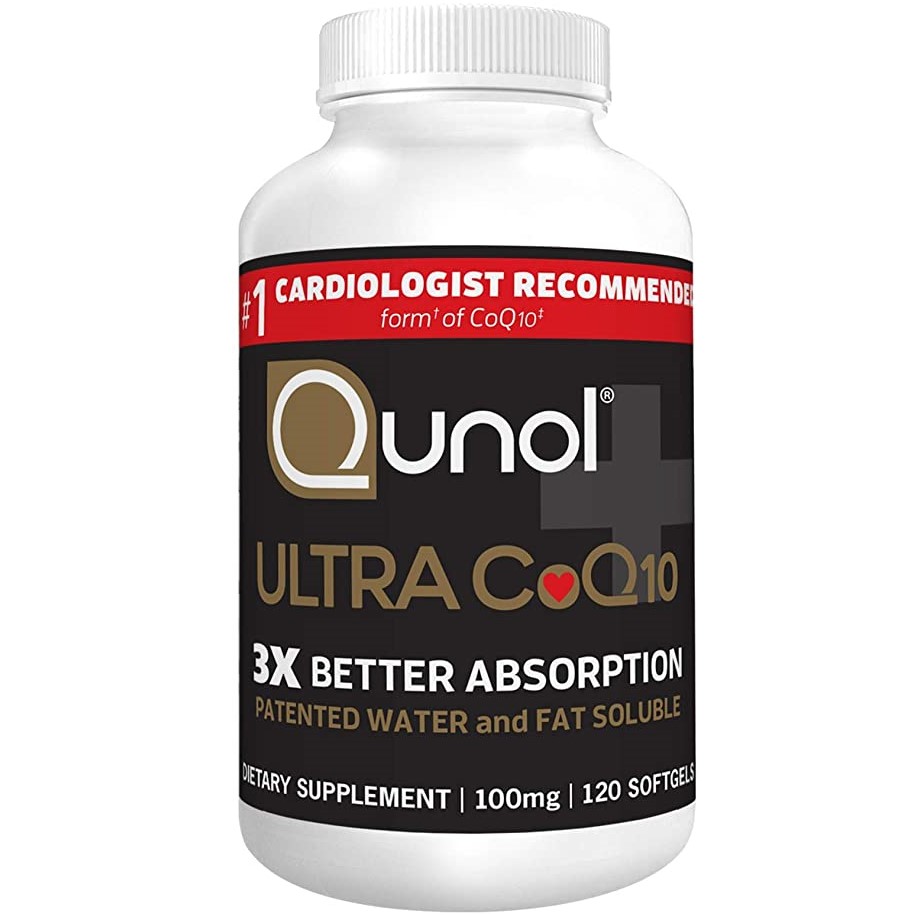
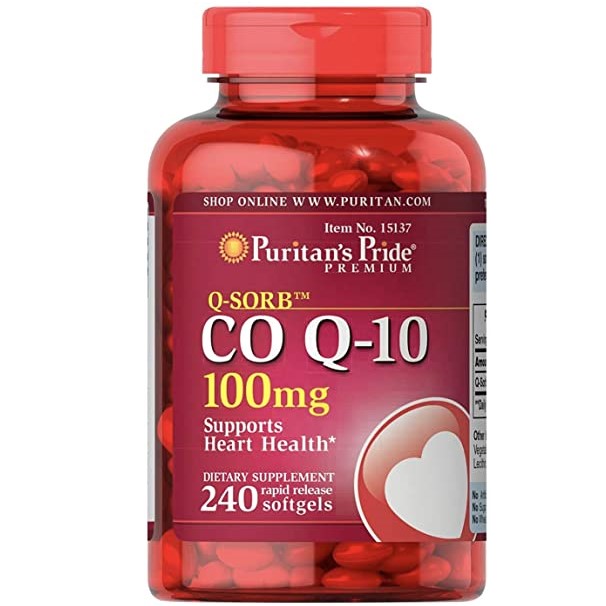
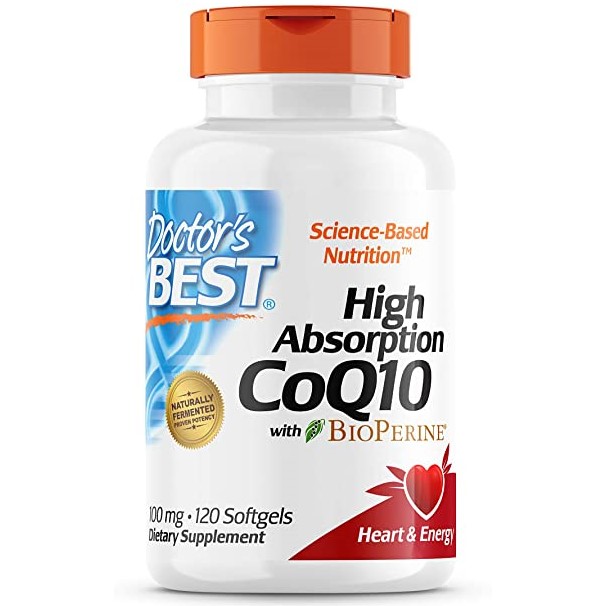
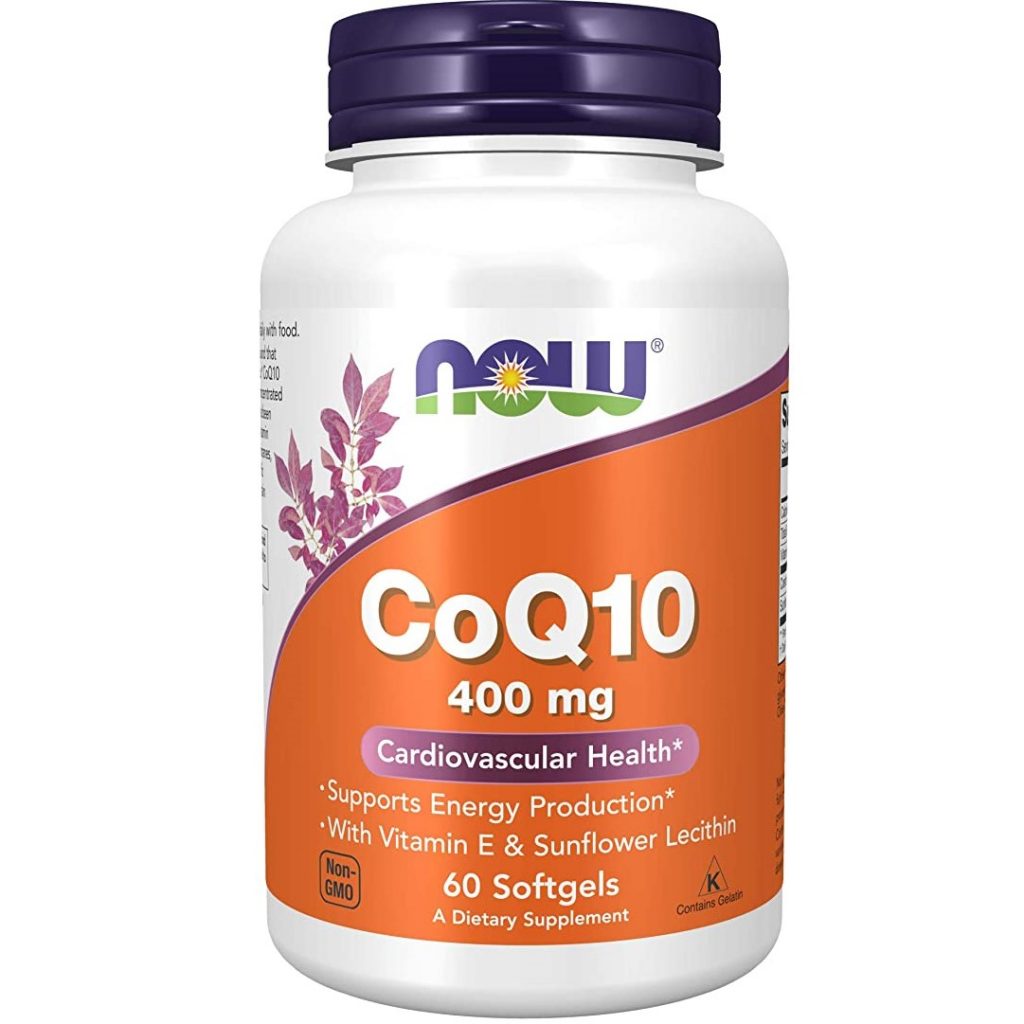
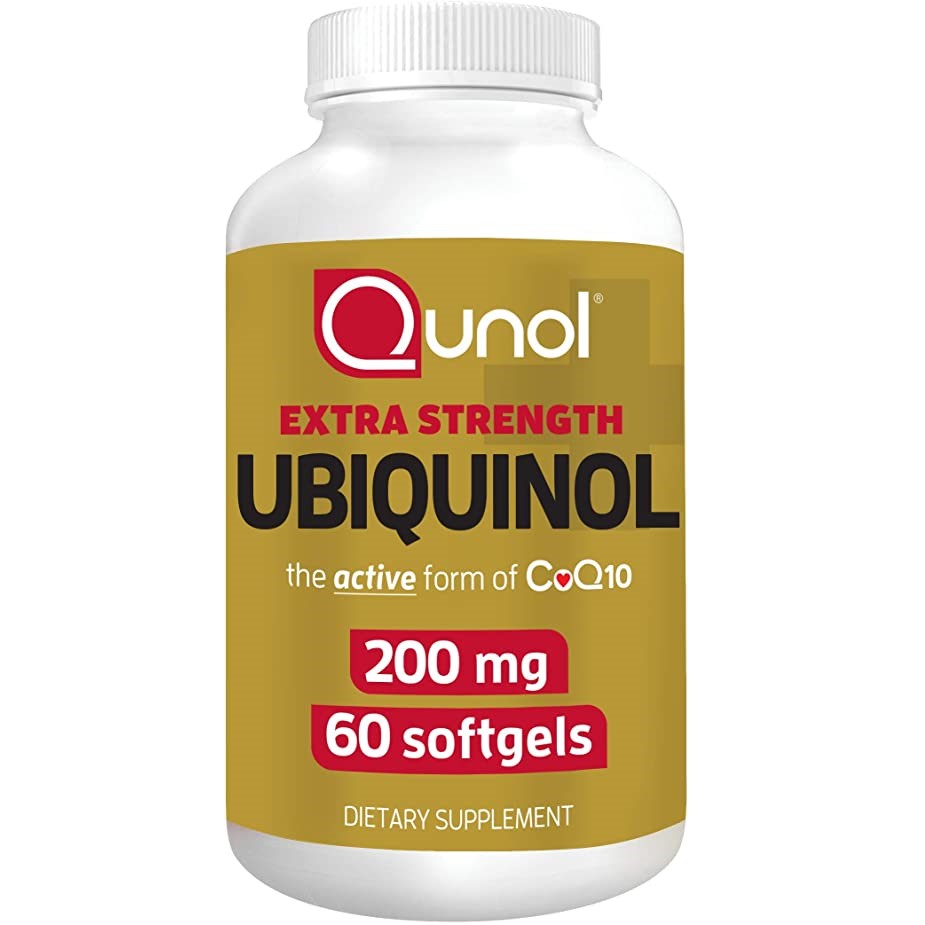
Coenzyme Q10 (or Q10) is a fat-soluble compound that helps your cells generate energy for growth and maintenance.
CoQ10 is present in all human cells – with higher concentrations in your mitochondria – making it essential for all kinds of biological processes.
While your body naturally produces CoQ10, various factors (like nutritional deficiencies, disease and aging) can contribute to falling levels of CoQ10. Falling levels of CoQ10 are associated with various conditions, such as heart disease and cancer, so it’s important to maintain healthy levels of CoQ10, either by eating lots of natural sources of CoQ10 or by taking CoQ10 supplements.
It is unclear if these diseases are caused by low CoQ10 levels or result in low levels, but a wealth of research shows that CoQ10 has a wide range of health benefits. To help you make the most of this incredible natural compound, let’s take a closer look at the benefits, side effects and recommendations for optimizing your CoQ10 levels.
What is CoQ10?
Coenzyme Q10 (CoQ10 for short) is a fat-soluble antioxidant that is present in all human cells – especially the mitochondria – and helps produce cellular energy. While your body produces CoQ10 naturally, levels tend to fall as you age, making it important to top up your levels with food and CoQ10 supplements to maintain healthy levels.
CoQ10 can be found in a variety of states, but the two main forms found in your body are ubiquinol and ubiquinone. Basically, ubiquinol is the active form of CoQ10 which is more easily absorbed and used by your body, though your body can convert ubiquinone into ubiquinol and vice versa easily, so they are functionally identical.
RELATED: Read our article on the difference between CoQ10 and Ubiquinol to learn more about the alternate states of CoQ10.